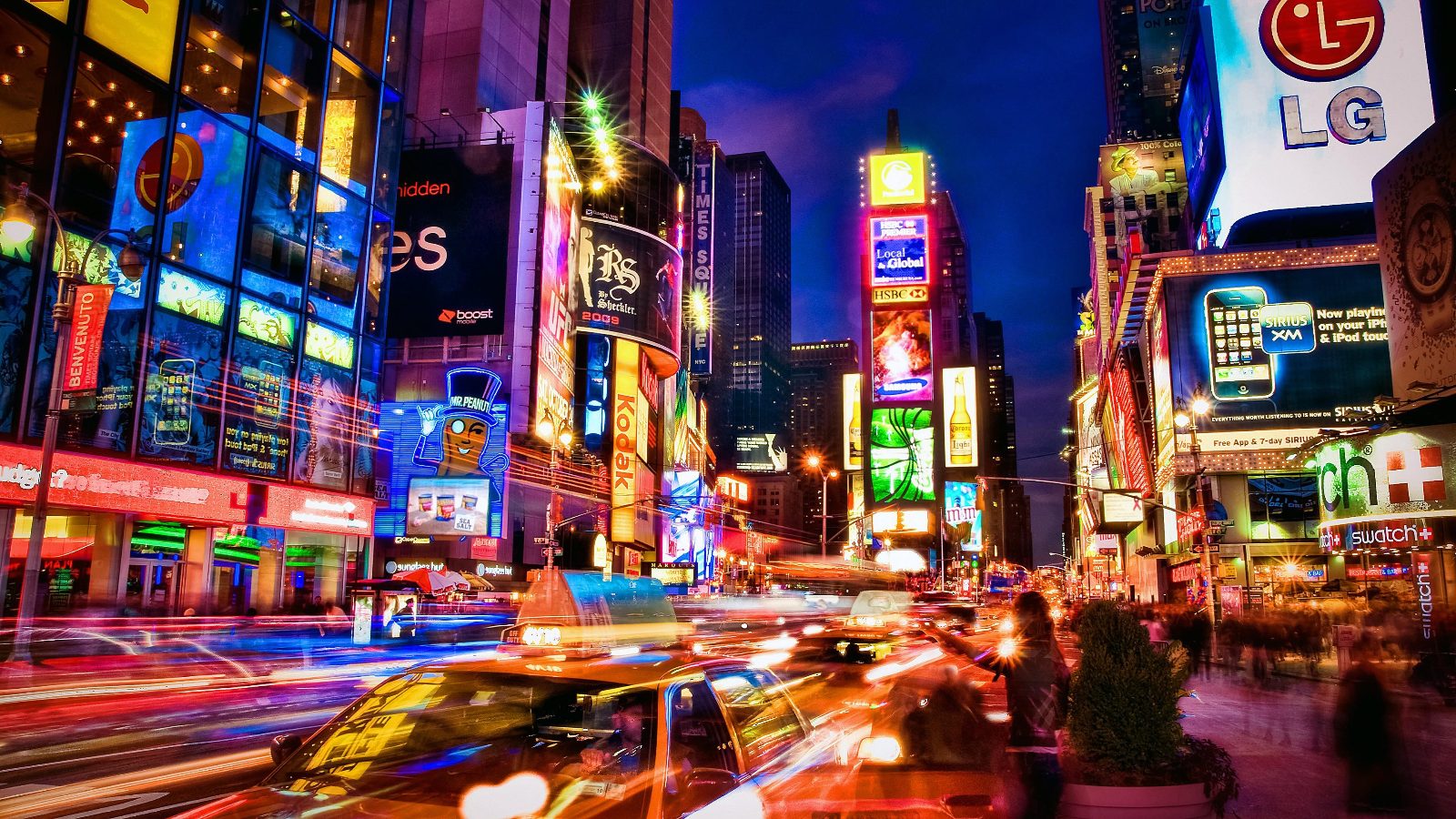
Times Square
10 min walk
This transit hub and theater district sits directly east, offering a contrast to the local atmosphere of Hell's Kitchen. It is a common destination for visitors continuing their itinerary after neighborhood activities.

Hell's Kitchen is a public neighborhood in Midtown West Manhattan, open around the clock with no entry restrictions. Unlike museums or ticketed attractions, this historic district asks nothing of you except comfortable walking shoes and an appetite for discovery. Here's what visitors need to know before they arrive.
Quick answer
There are no formal hell's kitchen requirements—the neighborhood is a public area accessible 24/7 with free entry and no advance reservations. You don't need tickets, permits, or special clearance to walk the streets between Eighth Avenue and the Hudson River. However, individual restaurants, theaters, and venues within the district maintain their own policies, so check ahead if you plan to dine or attend a performance during your visit.
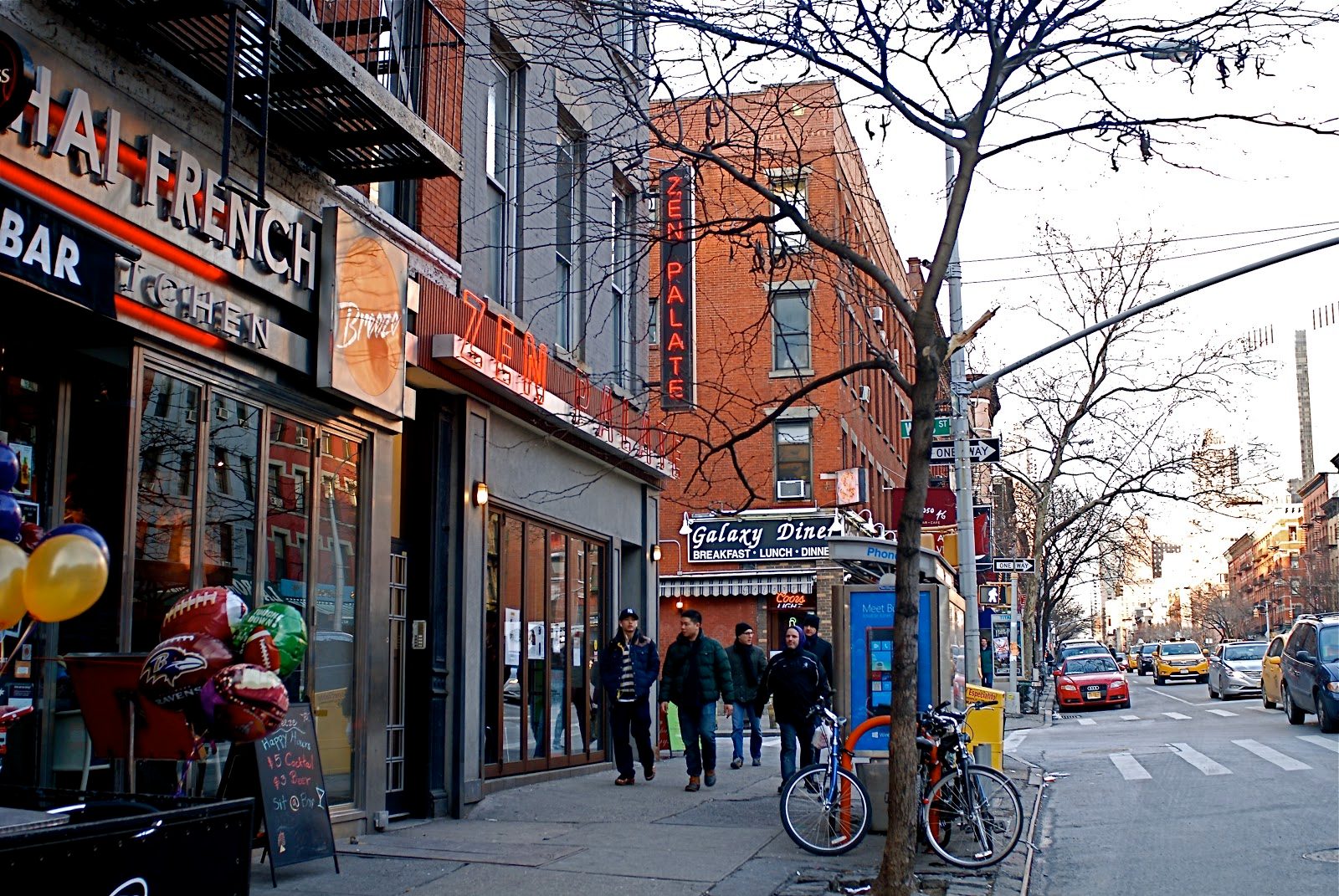
Hell's Kitchen operates under a different logic than gated landmarks or reservation-only attractions. The neighborhood between 34th and 59th Streets opens onto public sidewalks, and its cross streets—lined with Thai cafes, Irish pubs, Off-Broadway theaters, and corner bodegas—welcome foot traffic at any hour. The hell's kitchen requirements guide comes down to a handful of practical considerations rather than a checklist of admission criteria. Most visitors arrive on foot from Times Square or Penn Station, and the transition is immediate. Ninth Avenue serves as the district's culinary spine, with restaurant storefronts occupying nearly every ground-floor slot between 42nd and 57th Streets. No uniform dress code governs the sidewalks, though individual establishments—especially upscale dining rooms near the western edge—may enforce their own standards after dark. Cash remains useful at older delis and bakeries, but credit cards work nearly everywhere. Cell service is strong throughout, and public restrooms cluster around Restaurant Row on 46th Street and the public plazas near DeWitt Clinton Park. The neighborhood's 24-hour accessibility means timing becomes a matter of preference rather than regulation. Early mornings reveal the wholesale suppliers restocking kitchens along Tenth Avenue, while evenings draw theater crowds to the blocks surrounding 42nd Street. Weekend brunches fill the Ninth Avenue sidewalk tables, and late nights belong to the bar district west of Ninth. Weather affects comfort more than access—summer humidity clings to the narrow cross streets, and winter wind tunnels through the north-south avenues—but the streets themselves never close. What Hell's Kitchen does require is a willingness to navigate by instinct rather than map alone. Street numbering follows Manhattan's grid, but the neighborhood's character shifts block by block: prewar tenements give way to glass towers, then back to low-rise walk-ups within a single avenue. The western blocks near the waterfront feel residential and quiet, while the eastern edge along Eighth Avenue hums with commuter traffic and chain retail. No single visit captures the full span, and the neighborhood rewards repeat walks more than exhaustive first-time coverage.
“Hell's Kitchen asks nothing of you except comfortable walking shoes and an appetite for discovery.”
Hell's Kitchen is a public neighborhood in Manhattan and remains accessible to visitors at all times. The area is open 24 hours a day, seven days a week.
As Hell's Kitchen is a public neighborhood in Manhattan, there are no admission fees required to enter or explore the area. Access is entirely unrestricted for all visitors.
Verdict: A typical adult pays 0 USD to enter the neighborhood, as there are no tickets or entry requirements.
Hell's Kitchen is centrally located on the West Side of Manhattan, making it highly accessible via multiple major public transit lines. The most efficient way to enter the neighborhood is by utilizing the extensive New York City subway network.
A, C, E lines to 42 St-Port Authority Bus Terminal
1, 2, 3, 7, N, Q, R, W lines to Times Sq-42 St
M11, M20, or M50 lines serving 8th and 9th Avenues
Walk west from Midtown Manhattan toward 9th Avenue
For the most direct access to the heart of the neighborhood, arrive at the 42 St-Port Authority Bus Terminal station. It is a public neighborhood accessible 24/7, so you may plan your transit according to the best arrival window of 00:00–23:59.
Hell's Kitchen offers a dense concentration of global cuisines, ranging from high-end dining establishments on 9th Avenue to casual international eateries tucked into side streets. Visitors can choose between sit-down restaurant experiences or quick service options that reflect the neighborhood's long-standing culinary diversity.
restaurant
This main thoroughfare features blocks of international dining, including Thai, Mexican, and Italian options, situated throughout the heart of the neighborhood.
restaurant
Located on 9th Avenue, this venue specializes in Latin American empanadas and is open late for varied schedules.
market
A seasonal outdoor space located near the neighborhood center where local vendors provide fresh produce and artisanal goods.
restaurant
A specialized noodle shop found on 52nd Street known for its chicken-based broth and compact dining space.
Hell's Kitchen serves as a central hub in Manhattan, placing visitors within walking distance of several prominent landmarks. These locations provide a logical continuation of your neighborhood exploration.
10 min walk
This transit hub and theater district sits directly east, offering a contrast to the local atmosphere of Hell's Kitchen. It is a common destination for visitors continuing their itinerary after neighborhood activities.
15 min walk
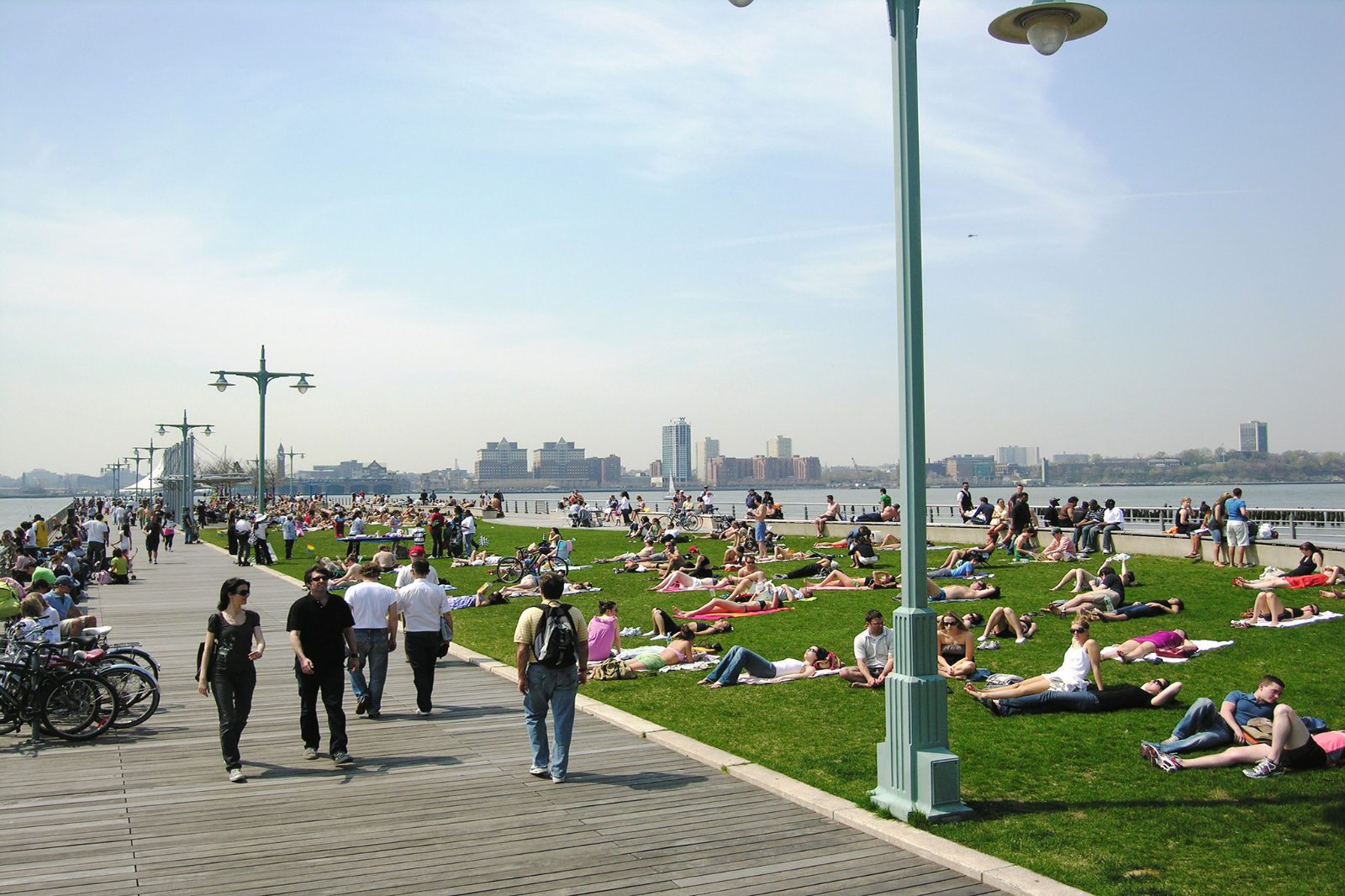
Located along the western edge of the neighborhood, this waterfront park provides open space and river views. It complements the urban density of Hell's Kitchen with recreational paths and piers.
12 min walk
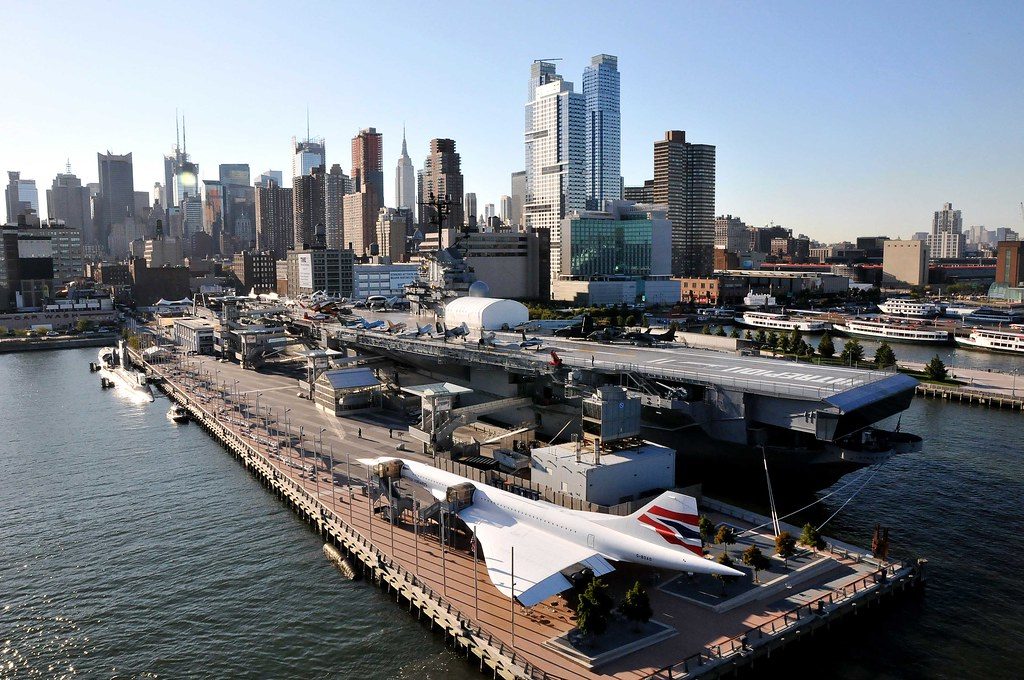
Positioned at Pier 86, this maritime and aerospace museum is accessible from the neighborhood's western boundaries. It offers historical context to the area's development along the Hudson River.
Everything you need to know about hell's kitchen requirements
There are no formal hell's kitchen requirements for entry, as it is a public neighborhood open to everyone. You are free to walk the streets and explore the local culture at your leisure.
Entry to the neighborhood is entirely free, meaning there is no entrance fee to walk through its historic streets. You can enjoy the sights and atmosphere without worrying about tickets.
The neighborhood is accessible 24/7, so the best arrival window is anytime between 00:00 and 23:59. Choosing to visit during off-peak hours can make exploring the diverse culinary landscape more comfortable.
When booking a local Manhattan food tour, check if the provider has specific requirements for meeting points or dietary notifications. These are generally independent of the neighborhood's public access status.
Hell's Kitchen is a family-friendly residential area, and there are no restrictions on bringing children. Many visitors find the vibrant atmosphere perfect for family outings, though they should be mindful of busy sidewalks.
There is no dress code for walking around the area. Visitors typically wear comfortable walking shoes and casual clothing suitable for exploring city streets.
The neighborhood is a public space with standard sidewalk access, requiring no special permits for visitors. It remains open and accessible to the public at all hours, providing a welcoming environment for all.
Navigation is straightforward as the area is part of the standard Manhattan grid. Visitors often use local subway stations or buses to reach the heart of the district, which is open daily.